Ad-Supported Tier Adoption Across Streaming Platforms
Streaming platforms engineered an ad-tier majority through price gaps, not just cheaper options.

As the price gap between plans has grown, streaming has come to rely on ads for growth, but cheaper plans do not always mean smaller household bills. Compass offers ongoing monitoring, while statement audits and careful tier choices address other parts of the problem. Households need to keep track of the whole subscription stack as well as choose whether to watch ads.
How streaming's ad-supported tier went from discount fallback to structural majority
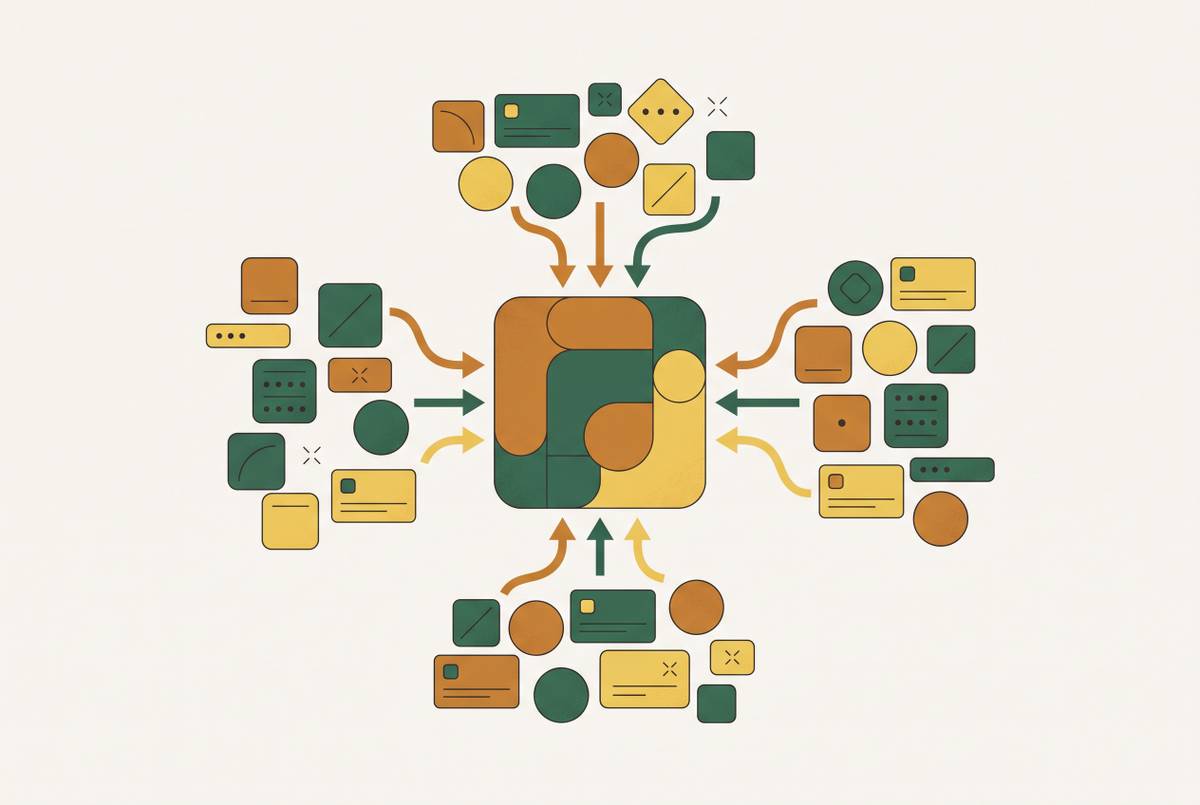
Streaming’s original promise was simple, one price and no ads. The break with that promise is now visible in subscriber growth as well as in the appearance of cheaper plans. Antenna called the debate over ads "settled" after ad-supported plans drove the overwhelming majority of net subscriber additions over nine quarters ending Q1 2026.
That distinction matters because a majority of growth is not yet a majority of all subscriptions. Ad-supported plans are closing in on that second threshold, while a strong majority of subscribers already hold at least one. MNTN Research projects that more than four in five U.S. subscription streaming viewers will have at least one ad-supported plan in 2026, up from roughly half in 2022. The shift also accelerated while subscriptions overall were growing strongly. That makes a temporary budget retreat an incomplete explanation for a change that has become structural.
Why the price gap between ad-free and ad-supported plans is the engine driving this shift
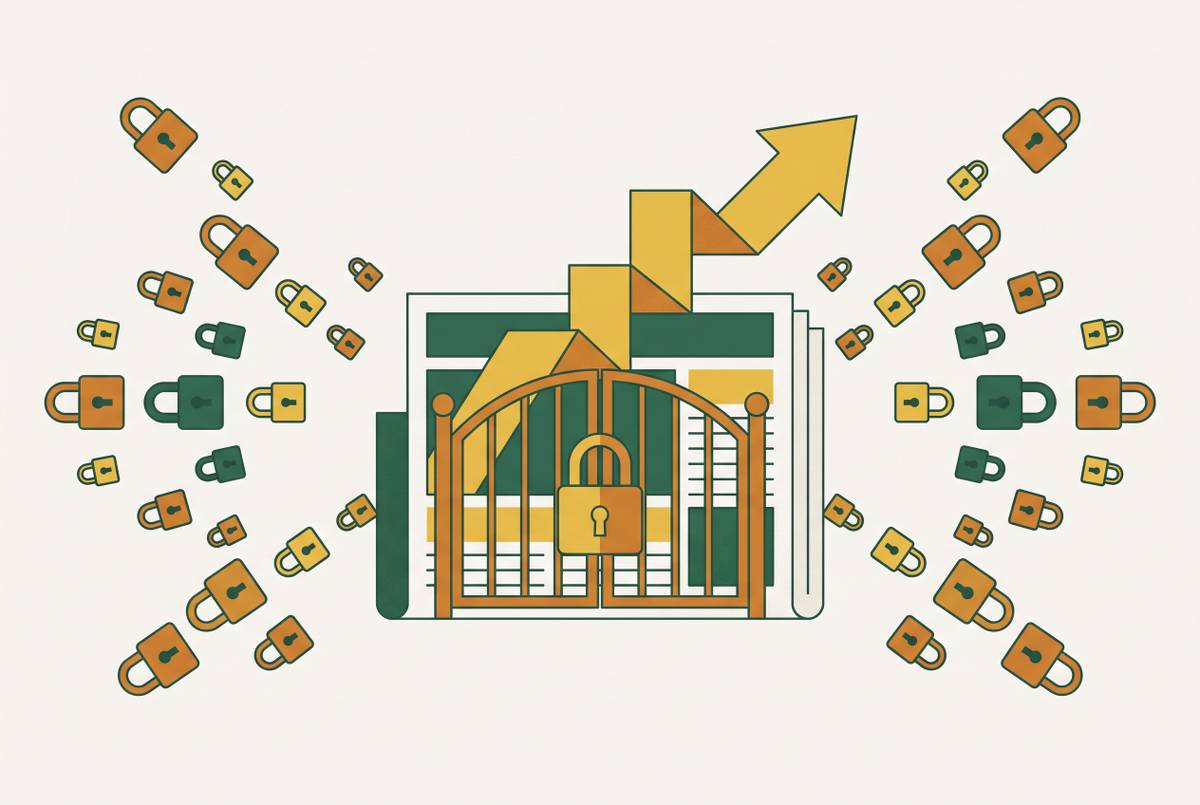
The main force behind that change is the gap platforms have built between their plans. They did not simply introduce ads and wait for viewers to discover a bargain. They raised the price of avoiding ads until the upgrade became a more substantial financial choice. MNTN Research reports that the cheapest ad-free plans across top U.S. services cost far more than they did in 2020. The cheaper option looks more attractive because the alternative keeps moving away from it.
On average, prices have risen more for plans without ads than for plans with ads. Disney+ illustrated that pattern when it raised the price of its no-ads Premium tier in late 2025. A household can still choose uninterrupted viewing, but it must now justify a larger premium for that choice. Platforms can steer subscribers toward advertising without requiring them to accept it.
Pricing is not the only lever, as Amazon’s use of default enrollment shows. But the widening gap is the common financial pressure running through the market. It also competes for attention with less obvious costs elsewhere in a household’s accounts. Tools such as Compass, which monitor bank and email accounts for unused subscriptions and price increases, can surface spending drift beyond the plan being reconsidered. A visible price hike may prompt the review even when the larger expense is the accumulation of services around it.
How each major platform used a different mechanism to move subscribers onto ad tiers
In January 2024, Amazon moved everyone who already subscribed to Prime Video to an ad-supported default and made them pay extra for ad-free viewing. Approximately 82% of Prime Video users remain on that default. Those subscribers chose to keep the default by forgoing the extra payment to remove ads.
Default enrollment changes the starting point for the entire subscriber base without a sales interaction. Instead of asking people to switch to a cheaper plan, Amazon required a payment decision from anyone who wanted to avoid ads. That makes its adoption figure different from one built entirely through voluntary plan selection. It still reveals how much resistance there is to paying more for uninterrupted viewing. The outcome rests on both the default and the cost of leaving it.
Peacock’s mechanism is price-point design. The gap between its ad-supported and ad-free tiers is itself a central part of the offer, separating access from the extra cost of avoiding interruptions. At the May 2025 Upfronts, Disney’s combined streaming division, which includes Disney+, Hulu, and ESPN+, confirmed hundreds of millions of monthly active users on ad-supported tiers. That is an audience measure, so it should be treated separately from Amazon’s subscription share figure.
Default enrollment, price-point design, and a widening premium for ad-free viewing are different routes toward an advertising-supported business. One streaming service remains an outlier because it offers no ad tier. Its position limits any claim that every streaming service now follows one model. The structural change is industry-wide convergence.
What ad-tier adoption actually does — and does not — solve for streaming households
A downgrade can preserve access to a service when its ad-free price becomes harder to justify. The cost has not disappeared, however. Part of it has moved from the household’s money to the viewer’s attention.
The trade also involves a data relationship with platforms that viewers once paid specifically to avoid. A household that accepts interruptions in exchange for a lower charge is making a straightforward choice. The limit is that this choice applies to one service at a time. Lowering each service’s cost does not reduce how many services remain on the bill.
Subscriber behavior reflects that tension. A large share have subscribed for one show or event and then canceled afterward, while a majority have canceled or downgraded because of a price increase. More than a third switched from a paid ad-free tier to an ad-supported tier in the past year. Ad tiers make those adjustments useful, but a cheaper collection of subscriptions can still become an unnecessarily large one.
Why the cost of streaming keeps rising even when every service has a cheap tier
It is harder to spot subscription sprawl when each charge looks small. Americans spend more on subscriptions than they think they do, by more than a thousand dollars per year per person. Nearly three-quarters of consumers also admit that recurring subscription charges are easy to forget. Those figures cover subscriptions as a whole, including streaming. They explain why choosing an affordable streaming plan does not settle the question of what a household actually spends.
Bills creep up as prices change at different times. A promotional price expires after 12 months and gives way to the standard rate. A tier gets renamed and repriced, leaving the subscriber on something different from the original offer. Netflix’s March 2026 hike raised prices for Standard with Ads, Standard, and Premium, showing that even plans with ads can cost more over time. Small changes across several services can accumulate into hundreds of dollars of extra spending per year without any single charge looking decisive.
The less frequent charges are easier to lose from mental accounting. An annual subscription is billed once, then stays off the monthly bill until it is time to renew. A free trial creates a different timing problem because the decision to sign up comes before the obligation to pay. Forgetting to cancel turns temporary access into another recurring bill. Neither problem is solved by selecting the cheapest tier after the fact.
Overlap adds another layer because duplicate functions are not the same as duplicate charges. Several services may offer the same kind of content even though each bill is correct. In a multi-service household, spending on overlapping services can exceed the price of the most expensive individual plan. Passive monitoring through an AI agent such as Compass can flag duplicate charges, forgotten subscriptions with price increases, and trials about to convert. Households still have to judge whether services that meet the same need are worth keeping.
What consumers can actually do to manage a streaming stack built on ad tiers
Compass+ is a strong fit for the ongoing monitoring gap because it watches for changes without requiring the subscriber to remember another review. It monitors unused subscriptions, free trials about to convert, bills that have quietly increased, and duplicate charges across a household’s full service stack. Each finding comes with a specific dollar amount and a clear next action. That makes the cost visible rather than leaving the user to search for it. Its read-only design shows what is being spent without needing permission to make payments or transfer money.
That automated approach addresses a different need from a manual audit. Monitoring catches drift over time, while a statement review establishes what is being paid now and which services are worth keeping. The foundational manual step is to read actual bank and credit card statements line by line across two to three months. Memory consistently undercounts active subscriptions, so a list recalled from habit is not an adequate substitute. Identifying which services get enough use to justify any paid tier at all is the most useful part of the review.
The ad-free premium is real money, but paying less for an underused service still leaves an underused service on the bill. For services worth retaining, accepting ads can be a practical way to reduce the cost. During content dry spells, a platform’s "pause before cancel" option can also preserve discounted rates and avoid re-signup friction. Households can use that option where it is offered, but cannot count on every service having it.
Free trials need attention at sign-up. Canceling immediately can prevent a forgotten conversion, and most services allow access through the end of the trial even after cancellation. A virtual card with a hard spending cap is another option for a trial that requires a payment method. These targeted safeguards complement a review of the larger stack. They address the moment a new recurring commitment is most easily overlooked.
The approaches therefore work at different points in the same process. Automated monitoring supplies continuity between those decisions. A one-time audit starts to go out of date within weeks as prices change, special offers end, and plans get new names. The appropriate response is an ongoing practice, whether maintained manually or supported by monitoring that brings findings to the user.
What the ad-tier majority signals about where streaming costs go from here
An ad-tier subscriber brings in money from both the subscription fee and the ads. In many scenarios, that can make the subscriber more profitable than someone paying a higher monthly fee for ad-free viewing. MNTN Research reports that ad-supported viewing already accounts for nearly three-quarters of total U.S. TV screen time and projects that streaming’s share of total TV ad impressions will roughly double by 2030. Those broader measures show why advertising is not a temporary concession to price-sensitive viewers.
The ad-tier majority is therefore a new floor. The structural direction is toward larger increases on ad-free plans and smaller or flat changes on ad-supported plans, making the downgrade path more attractive over time. That does not mean every increase will follow an identical pattern or that cheap tiers cannot become more expensive. It means households should not mistake the current gap for a settled price arrangement. New services, renamed tiers, price adjustments, and trial conversions keep changing the total, so managing streaming costs requires a continuing view of the bill even after choosing to accept ads.