Password Sharing Crackdowns as a Subscriber Growth Strategy
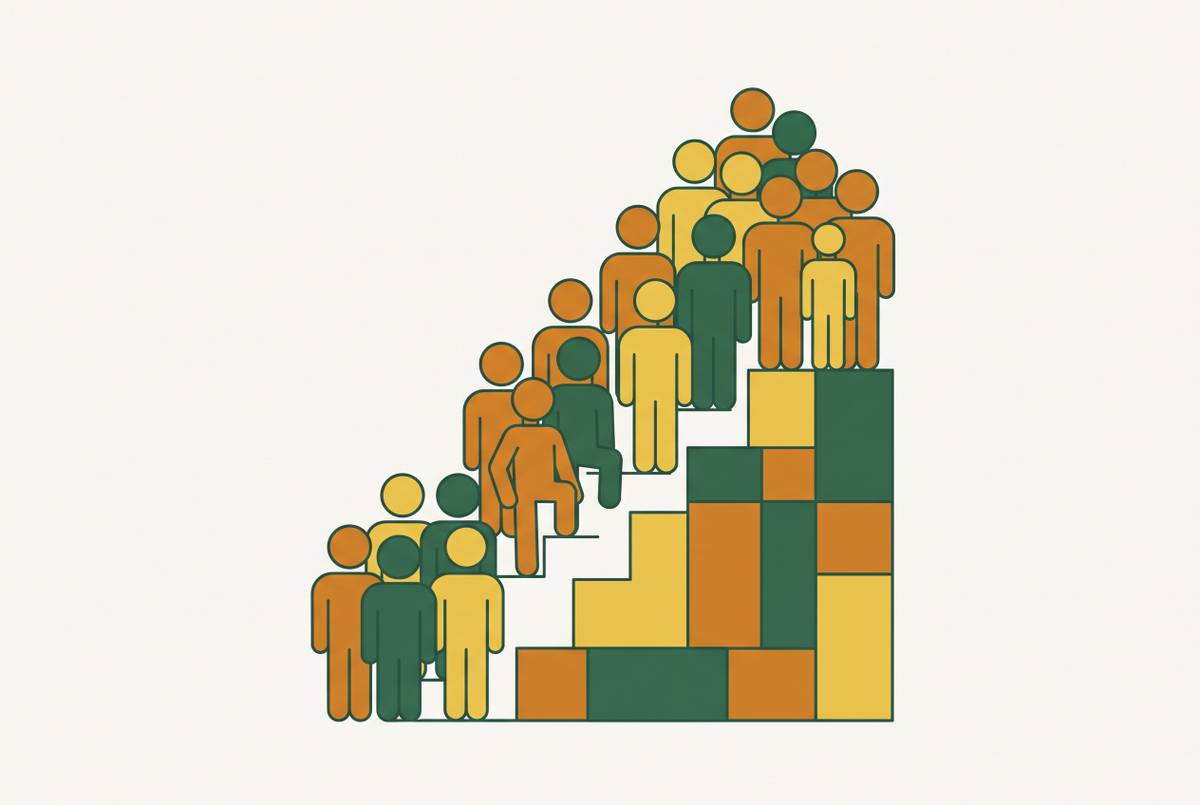
Netflix turned password sharing into a conversion machine that added 55 million paying subscribers.
Password-sharing crackdowns are not an enforcement story. They are a carefully engineered conversion funnel that turns people who already use a service into people who pay for it. In the two years since these moves began rolling out, Netflix has picked up nearly 55 million more paying customers. That figure is the clearest evidence that the strategy works.
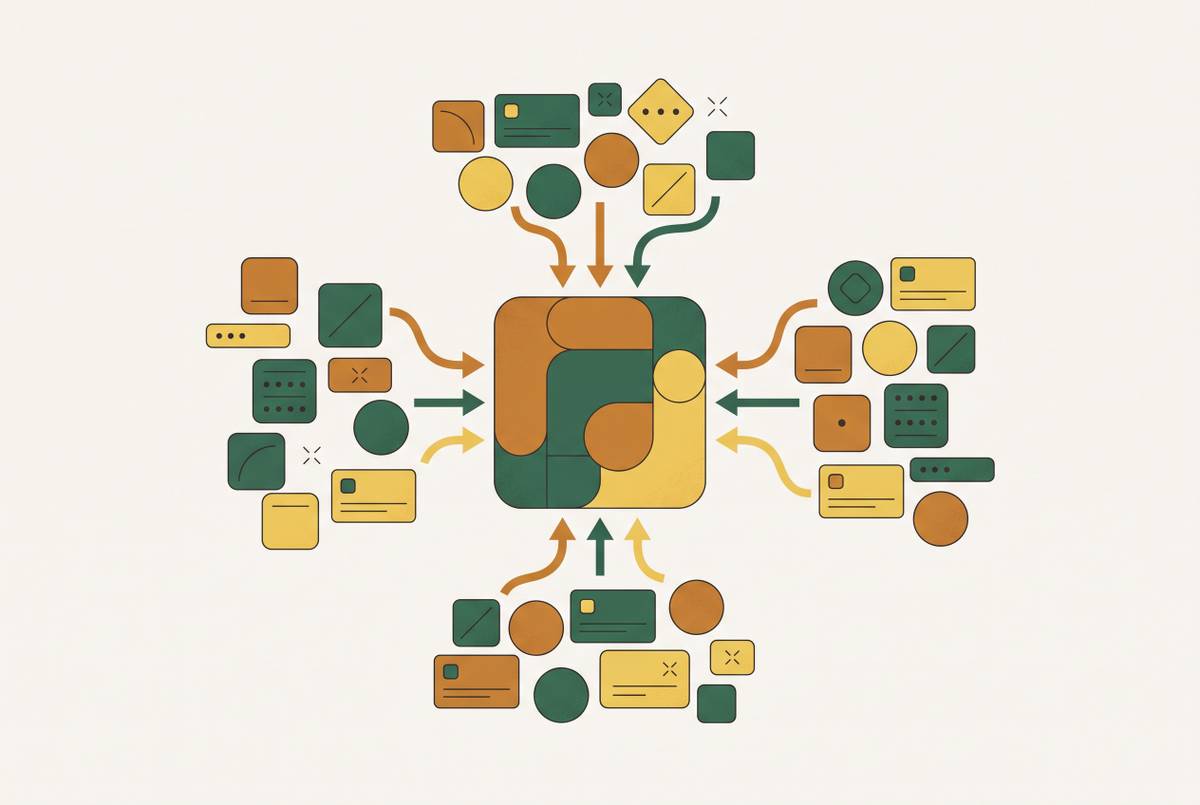
Streaming platforms in saturated markets face a structural problem. Most reachable households already subscribe, so conventional acquisition slows to a trickle. Growth must now be manufactured from within the existing audience. The passive free-rider population, people who consume the service daily but pay nothing, represents a captive conversion pool that no other growth tactic can replicate. If you watch on someone else's account, you already like the product. They have built viewing habits, favorites lists, and recommendations. The only thing standing between them and a paid subscription is the friction of the decision itself.
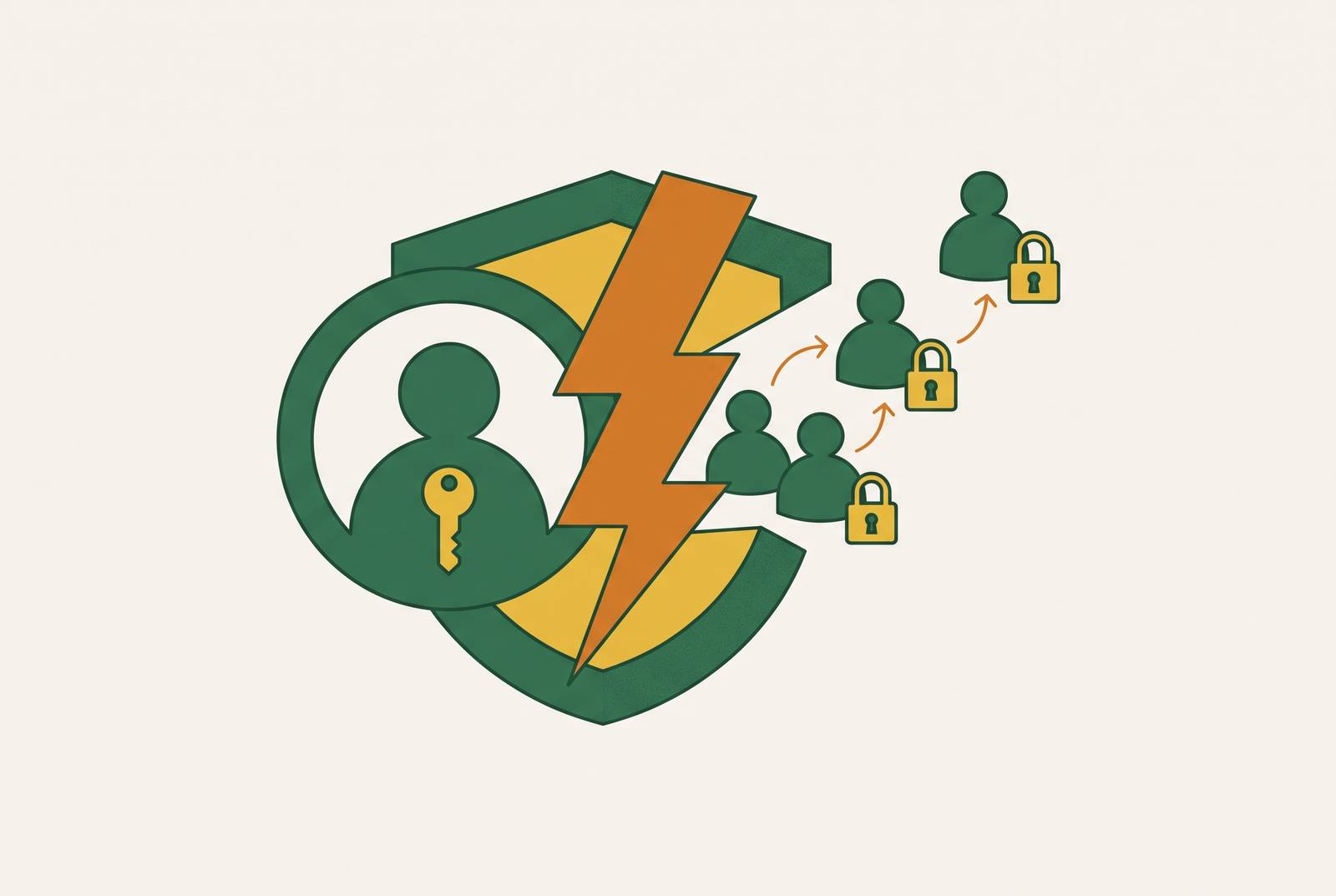
Enforcement makes it cost you more friction to keep sharing than to subscribe. A prompt asking you to verify your household interrupts the experience just enough to force a choice. That is the mechanism that converts passive users into paying customers. It is also a deliberate funnel design, not a rights-protection measure dressed up as growth strategy. The distinction matters because it explains everything that follows: the pricing tiers, the escalation schedules, the acceptance of cancellations, and the eventual pivot away from subscriber counts altogether.
How Netflix built the template every other platform is now copying
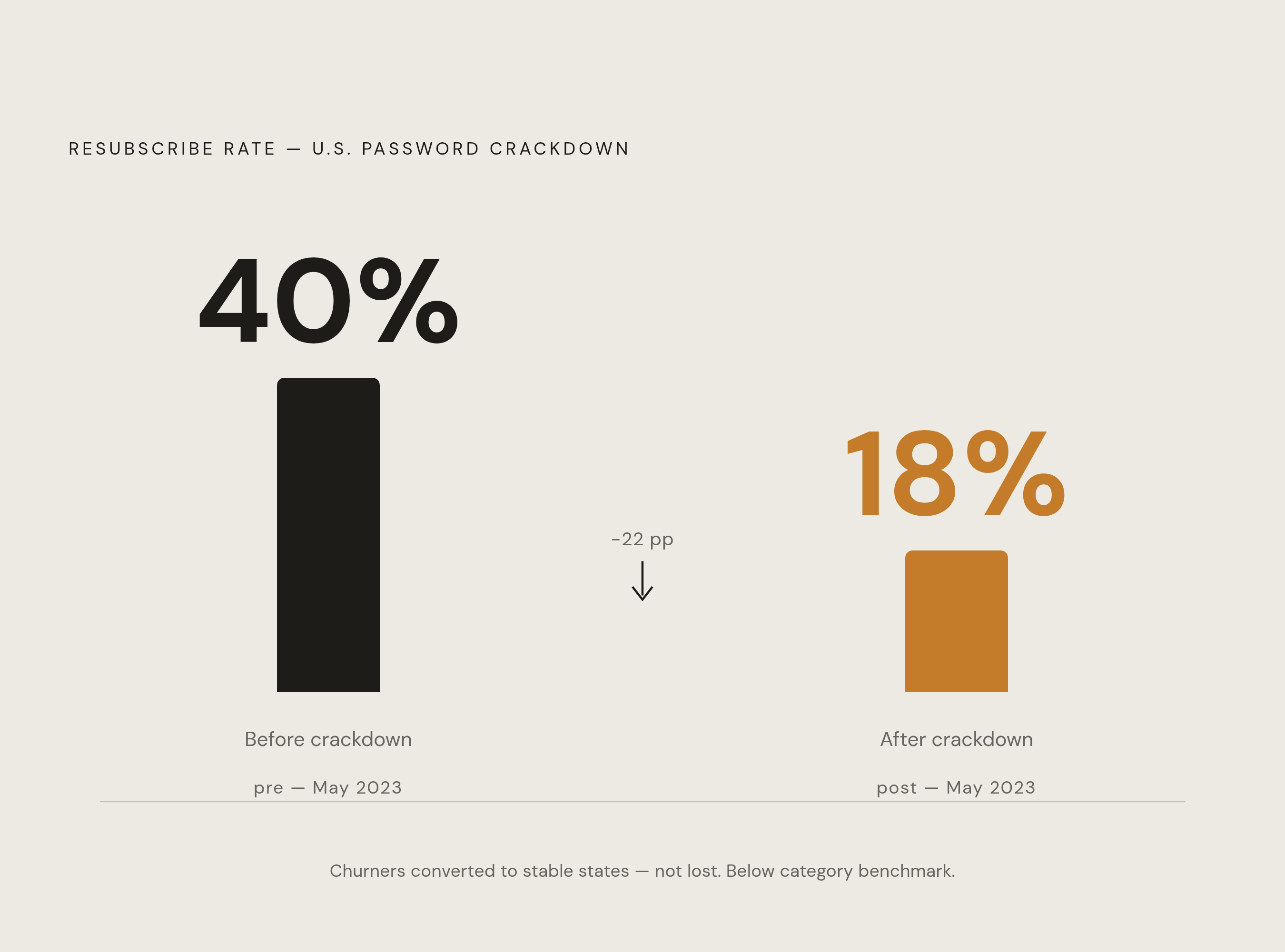
Netflix's U.S. enforcement in late May 2023 is the proof-of-concept that turned a theory about conversion funnels into an industry playbook. Before the crackdown, Netflix's monthly Resubscribe rate was approximately 40%. That number measures something specific: among subscribers who churn, what share return within a defined window. A 40% resubscribe rate meant that four in ten departing customers eventually came back on their own. The service was sticky enough that even people who left found their way back.
When enforcement began, that rate dropped as low as 18%, well below the category benchmark. For readers unfamiliar with the metric, this is not a decline in customer satisfaction. It is evidence of the funnel working. The people who used to churn and resubscribe on a cycle, often tethered to a friend or family member's credentials, were now being pushed into one of two stable states. They either became full subscribers, which removed them from the churn pool, or they left entirely, which removed the resubscribe trigger. The churn-and-return churn loop collapsed.
Netflix's next move confirmed the strategic reading. Starting in 2025, the company stopped reporting quarterly subscriber counts. It replaced them with a focus on revenue, operating margin, and engagement metrics. The signal is hard to miss: the company considers subscriber conversion largely completed and wants investors focused elsewhere. Subscriber count was the metric of the growth era. Revenue per subscriber is the metric of a mature market. Netflix built the conversion funnel, filled it with free-riders already inside its ecosystem, and then told the market to count dollars, not bodies.
The funnel mechanics: how verification technology turns friction into conversion
The conversion funnel depends on engineering the right amount of friction. You need enough to break passive sharing habits, not so much that it drives mass cancellation instead of conversion. Get the calibration wrong in either direction and the economics fail. Too little friction and nothing changes. Too much and the platform incurs a cancellation spike that eats the conversion gains. The entire technical architecture of enforcement is balanced around this constraint.
Early enforcement relied on basic IP recognition. That approach was crude, and it was relatively easy to work around. A shared household could hide behind a single network address. More recent systems analyze device history, login frequency, and location consistency. This multi-layered verification approach is harder to work around casually. If a device logs in from one city every morning and another city hundreds of miles away every evening, day after day, it can't pass the consistency check. The system does not need to know who you are. It needs to know whether your behavior looks like one household or several.
The verification flow itself doubles as an acquisition touchpoint. Email and mobile verification prompts make you confirm at the moment of friction. That is also the moment platforms can present a subscribe prompt. The interruption that breaks a sharing habit is the same screen that offers the path to compliance. The user is forced to make a decision at exactly the point where the cost of not deciding is highest. This is not a technical accident. It is the funnel's conversion point, designed and placed.
Home-location reset mechanisms, used by Netflix, Disney+, and HBO Max, allow account holders to legitimately update their household. Someone who moves, or who has a legitimate second location, can change the registered home. But caps on resets limit abuse. The cap itself is part of the friction calibration. A user cannot simply reset their household every time a friend moves to a new city. The limit forces a choice: serve the legitimate household or the distributed network of sharers. The paid extra-member model is a deliberate halfway house in this system. It turns a sharer into a revenue line without making them decide on a full-price subscription. That lowers the friction cost of compliance, because paying a few dollars more on an existing account feels less like a decision than starting a new subscription. Disney+ set its extra-member pricing below its base plan tiers. The price gap between extra-member and base is calibrated to make individual subscription feel like a modest upgrade, not a penalty.
How Warner Bros. Discovery adapted the model with graduated escalation
Warner Bros. Discovery's approach to HBO Max demonstrates that the conversion funnel can be staged. The platform began with soft prompts users could dismiss, then escalated to hard enforcement. That design choice smooths the cancellation spike. A user gets a gentle nudge first, time to absorb the new reality, and only later faces the hard choice of compliance or exit. The graduated approach is a direct response to a lesson from Netflix's early enforcement. Abrupt, hard cutoffs spike cancellations. Staged escalation gives potential converters time to rationalize subscribing. They move through the decision at a pace that feels voluntary, even though the outcome is pre-designed.
The staging does not happen in isolation. Pairing the enforcement escalation with a simultaneous price increase across all tiers is a compounding move. It raises both the cost of inaction and the revenue per converter. A user facing a soft prompt knows what is coming. The price increase, arriving in the same window, makes the eventual conversion more valuable to the platform. The discount between staying and leaving shrinks at the same time the cost of leaving rises. Warner Bros. Discovery is forecasting the crackdown as a revenue driver into the first half of 2026. The fact that the company can name a multi-quarter revenue runway tells you something about how predictably the funnel converts once the escalation curve is set.
The bifurcated consumer response: who converts, who cancels, and why the math still works
Platforms do not expect every affected password-sharer to convert. They have accepted that a meaningful share will cancel, because the revenue from converters more than compensates. The bifurcation is not a failure of the funnel. It is a designed feature. Platforms set friction levels so they sort the price-sensitive from the price-tolerant. The price-sensitive users leave, because they would never have paid full price anyway. The price-tolerant users, who were already primed to subscribe, convert. The funnel is a sorting mechanism as much as a conversion mechanism.
The math works because the two groups have asymmetric economic value. A converted subscriber generates ongoing revenue at full price. A departed free-rider generates nothing, but they also cost nothing beyond the small amount of infrastructure. The platform loses no revenue when a non-paying user leaves. It gains revenue when a non-paying user converts. The only scenario that damages the model is a paying subscriber who cancels in protest. That group is small enough, and the conversion gains large enough, that the net result is positive. Paramount+ handled the bifurcation differently and more aggressively. It deliberately exited a series of hard-bundle agreements with unattractive economics across multiple international markets, losing millions of subscribers across several quarters. ARPU expanded substantially as a result. The company's own framing makes the logic explicit: fewer subscribers, more revenue, by design. These were subscribers whose revenue contribution was too low to justify the wholesale cost, the churn risk, or the operational drag.
The structural ceiling: why conversion funnels are a one-time lever in mature markets
The password-sharing crackdown is a conversion event, not a renewable growth engine. Once a platform's pool of motivated sharers has converted or churned, the underlying subscriber acquisition problem returns, now in a market that is both more saturated and more price-hostile. The funnel does not create new demand. It harvests demand that already existed in unpaid form. When the harvest is complete, the field is empty. The platforms face the same churn and acquisition dynamics as before, but with consumers who are now more aware that pricing can change without warning. The net result is that the crackdown buys platforms two to three years of manufactured growth. That is a meaningful runway, but it is a runway, not a new engine.
The strongest objection to this ceiling argument is that international markets still have large untapped sharing populations. That is true, but the counter is structural. Per-subscriber economics in those markets are lower, so the revenue yield per conversion is smaller. Enforcement cost is also higher, because payment infrastructure, device environments, and sharing norms differ by region. The funnel works best where willing converters cluster and payment friction is low. Those markets were targeted first. What remains is a lower-yield pool.
Warner Bros. Discovery has flagged that the loss of NBA rights will complicate advertising revenue comparisons starting in Q4, with greater headwinds in the first half of 2026. That is a reminder that content, not enforcement, is the underlying retention variable. The crackdown can force the decision, but content determines whether the subscriber who pays stays paid. A conversion funnel that delivers subscribers into a service with weakening content is a bridge to churn. Enforcement builds the entry. Content builds the retention.
How subscription-aware consumers are changing the conversion calculus going forward
Platforms engineered the crackdown to convert passive free-riders into paying subscribers. They are now facing a consumer class that is becoming more deliberate. The dominant new behavioral pattern is deliberate subscription rotation. Consumers subscribe for a specific season or title, cancel when finished, and resubscribe when the next release arrives. That is a direct structural counter to the continuous-subscription revenue model platforms depend on.
Cost has overtaken content as the primary cancellation trigger. The price increases that accompany crackdown rollouts are actively accelerating this rotation behavior. A consumer who once kept three services running out of habit now holds one at a time, stopping and starting as releases demand. The behavior is rational and disciplined. Quiet price hikes of a dollar or two exploit the same consumer inattention that password sharing exploited. When noticed, they generate serious trust damage. A subscriber who discovers a quiet price increase is more likely to cancel entirely than switch to a cheaper plan. The irritation compounds: the fee itself is small, but the sense of being managed is corrosive.
AI finance agents that connect to bank accounts and card statements can surface every streaming subscription, its current price, and any recent price change. The tool makes the invisible visible, and that is the last thing subscription sprawl wants. Password sharing depended on the platform not noticing who was watching. Quiet price hikes depend on the consumer not noticing what they are paying. The crackdown closed the first gap. The finance agents are closing the second.
What the crackdown era reveals about the future of streaming economics
The password-sharing crackdown was never primarily about piracy or fairness. It was a proof of concept that pricing friction, applied precisely, can manufacture subscriber growth from an audience that already exists. That lesson will shape how platforms design their next round of revenue extraction. The playbook is now documented and repeatable. Raise friction, offer a discounted compliance tier, layer in price increases, and pivot to engagement metrics once subscriber counts stop rising. The same sequence can be applied to free trials, bundle exits, and plan restructuring. The template travels.
Consumers who understand the mechanics are better positioned to make active decisions. Knowing that an extra-member fee is a conversion funnel, not a service improvement, is the first step to deciding whether it is worth paying. The streaming industry has demonstrated that most consumers will not notice a price change until it has been collecting for months. The consumer countermove is to make not noticing structurally impossible. That is the category of problem that AI finance agents are designed to solve. The next engineered pricing move is already being designed. The only asymmetry that matters is whether the consumer's monitoring is as proactive as the platform's pricing.