Why Reading Your Bills Line by Line Is the Only Way to Catch Silent Rate Increases
Line-by-line bill reviews reveal hidden price increases that autopay obscures.
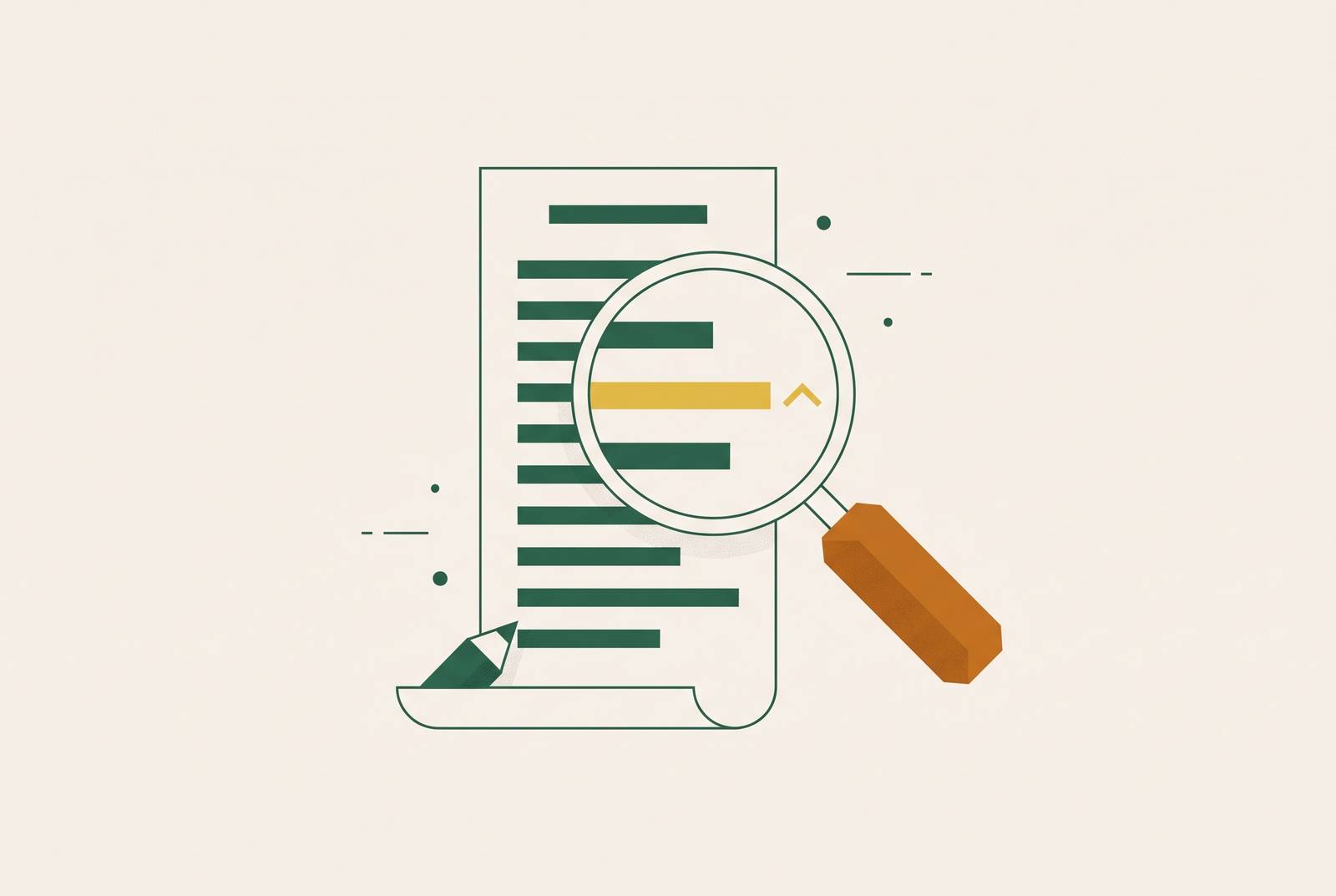
To catch bills that quietly went up, compare this month’s itemized charges with last month’s, then check your credit card statement for duplicate charges and merchants you don’t recognize. Automated monitoring can support that habit, but an alert cannot replace understanding which charge changed and what to do next.
How silent rate increases are engineered to stay invisible
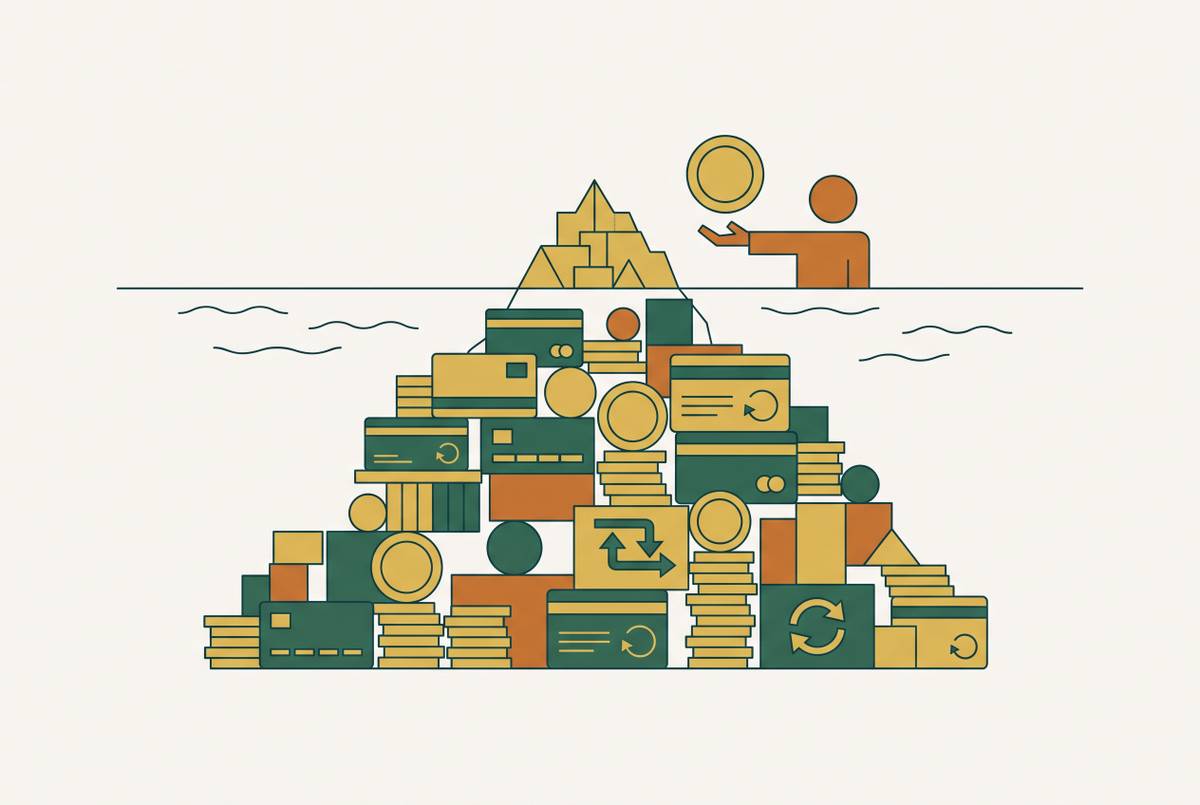
A small increase is easier to accept than a large one. That is the logic behind silent price creep. A sharp jump can trigger cancellation, while a modest adjustment often goes unchallenged. When increases arrive months or a year apart, there is no single billing cycle that forces a household to confront the combined cost.
The price itself is not always the moving part. A tier shift puts features that used to be included into a higher-priced plan, while the base price looks the same. An introductory lapse replaces a promotional rate with the standard price without prominent notice. Service fee bloat adds “regulatory” or “infrastructure” charges outside the headline rate.
Disney+ raised its ad-free price by $3 effective October 2025, and HBO Max raised prices in the second half of 2025. Netflix’s increase came earlier, in January 2025. Paramount+, Peacock, and Spotify’s increases are not fully confirmed within that same second-half window, so they should not be presented as one coordinated event.
Why auto-pay makes most people structurally unable to notice
Payment happens whether you examine the charge or not. That convenience also removes the moment when you might ask whether the service is still worth its price. A familiar merchant name becomes a substitute for checking the amount beside it. The charge looks normal because the company is familiar.
This is a structural problem. Auto-pay was designed to keep payments going without anyone having to check them, and free trials work the same way. A card entered at signup can be charged automatically when the trial ends, without the customer treating that transition as a fresh purchase. The absence of a payment decision makes the new expense easy to miss. Remembering that you signed up is not the same as knowing what you now pay.
Telecom carriers rely on “bill fatigue,” where a multi-page statement discourages a full review. Small increases buried across several lines can pass unnoticed even when a customer opens the bill. Just seeing that the total looks about the same does not solve either problem.
How do you find bills that quietly increased month over month?
Compare this month’s itemized bill with last month’s. The unit of review is each line, because one charge can fall while another rises. Look for a missing credit or discount, a newly added fee, the same name with a different amount, or a renamed charge. A missing line can increase your bill just as surely as a new one.
Keep enough of a record to make that comparison possible. A screenshot, a note, or a spreadsheet row showing the previous charge is enough to avoid relying on memory. Repeat the comparison monthly rather than waiting for an annual review, which can leave several months of higher payments behind you. The method is narrow on purpose. It asks what changed.
Reading a streaming and digital subscription bill
Start with the plan name. A renamed plan may accompany a tier restructure that puts features you previously had behind a more expensive option. Check what the current tier gives you before you take the same charge to mean you’re getting the same value. A bill comparison therefore needs the plan details as well as the payment.
The 2025 increases make streaming a good place to start. Disney+ and HBO Max raised prices in the second half of the year, while Netflix’s increase came in January. For subscriptions such as Paramount+, Peacock, and Spotify, the practical question is also what your own account was charged, rather than whether every service fits the same industry timeline. Pull the previous and current card statements and match each streaming charge by name. If anything has changed, open the account’s plan details.
If you joined during a promotional period, establish whether the charge still reflects that offer or has reverted to the standard rate. For a family plan, check whether the available slots are still being used. AI-tool subscriptions need a look here too, because many started with opt-out free trials that required a card. A new recurring charge may be a trial conversion rather than a price increase, but it still needs a decision.
Reading a telecom or internet bill
A long telecom bill is a reason to inspect more closely. The headline plan price is only one part. Regulatory recovery fees, administrative fees, network access charges, and equipment rental can each have their own line on a bill that runs to several pages. The cost on any of those lines can change while the advertised plan stays the same. Reading only the total gives up the detail needed to challenge it.
Equipment rental deserves its own comparison because the fee can rise even when the equipment has not changed. Then compare every “regulatory,” “administrative,” or “infrastructure” charge by both name and amount. Check that promotional discounts are still present. A vanished discount is easy to overlook. Finally, compare the base plan price with your contract or most recent confirmation email.
These checks turn a vague complaint into a specific question. “The bill seems higher” leaves the source of the increase unresolved, while identifying an equipment fee and its prior amount gives the provider something concrete to explain. The length of the statement makes the evidence harder to find.
Reading a utility bill
A utility bill can go up even if the rate stays the same. Usage can change, and residential electricity rates have also been rising. The useful distinction is between paying for more consumption, paying more per unit, and paying an added fee. These are different reasons for the same unwelcome total. Without separating them, you cannot identify which part needs an explanation.
Look at the cost per kilowatt-hour or therm. Then compare that rate with the previous bill and check consumption. If consumption was similar but the bill rose, inspect the rate and fees to locate the change. Delivery or distribution charges can increase independently of usage. Fuel adjustment charges and other variable surcharges can also shift without being presented as a headline price increase.
Taxes and government fees are generally non-negotiable, but their amounts still belong in the comparison. The comparison helps distinguish which increases you may be able to reverse. Isolating a new fee or a changed delivery charge gives you a specific basis for calling the provider. The broader reasons energy costs are rising do not explain every change on an individual bill.
Reading a credit card statement
Your credit card statement is the second layer of review. It brings charges from several providers into one place, making duplicate charges, unfamiliar merchants, and unnoticed trial conversions easier to spot. It does not replace the underlying bills. A provider’s single card entry does not show whether the total went up because of a higher rental fee, a discount that ended, or a change in the plan price.
Go through every recurring charge by merchant name and compare its amount with the previous month. Flag names you don’t know, even if the amount seems small. Also look for the same provider appearing more than once in the same cycle. A possible duplicate needs attention as its own finding. It is different from a legitimate recurring payment whose price increased.
The card itself also needs review. The CARD Act requires written notice before an annual fee goes up, so that notice helps when asking why a charge changed. Rewards changes can reduce or remove benefits without appearing as a fee increase, so those require reading agreement changes. Some costs will not appear as separate entries at all. Swipe fees passed into merchant prices are one example, which limits what even a careful statement review can reveal.
What to do when you find a change
Document the change before calling or cancelling anything. Record the old amount, the new amount, and the date the change appeared. That gives a dispute or negotiation a clear starting point. For a possible duplicate, identify the entries you are questioning. For an increase, establish whether the changed line is a rate, a fee, or a lost discount.
For subscriptions, check whether a cheaper tier makes more sense than cancellation. Downgrading can also trigger a retention offer from the provider. If cancellation is the right decision, check whether you can complete it online. A provider that allows online signup but requires a phone call to cancel creates a dark pattern worth reporting to the FTC. For future trials, set two reminders, one three to five days before the trial ends and another the day before.
For telecom and utility charges, call with the specific line item and its previous amount. Ask the provider to explain the change. Carriers and utilities maintain retention budgets for customers who notice increases and call, so accepting the higher amount is not the only possible outcome. For a changed credit card fee, read the amendment notice mailed or emailed before it took effect. That notice is the basis for assessing whether a material change allows you to close the account without penalty.
The FTC’s 2024 click-to-cancel rule was vacated in July 2025, but consumer protection law already in place still applies. The agency opened a new rulemaking process on negative-option practices in March 2026. A difficult cancellation can still be lawful.
When line-by-line reading alone is not enough to keep up
The strongest objection to monthly review is practical. Many people will not sustain it across eight to twelve recurring bills covering streaming, telecom, utilities, insurance, and software. A careful month or two can give way to missed reviews, leaving later increases unnoticed. This is where automated monitoring can support the method.
A useful tool needs more than a spending dashboard. Month-over-month comparison identifies the particular charge and the amount of its increase. Proactive alerts should bring the finding to you without requiring another routine login. Each finding should also make clear what to do next. For duplicate detection, that capability needs to be explicit rather than assumed from a general promise to track subscriptions.
Read-only account access should be the default requirement. It lets a tool see charges without being able to move money, though access to financial information still raises a privacy question. Keep transaction monitoring and itemized bill review separate, because a single charge from a provider cannot show which fee on its bill changed. No named AI tool can be recommended from the capabilities established here. The useful choice is a tool that meets these criteria and supports, rather than pretends to replace, the comparison that catches the change.